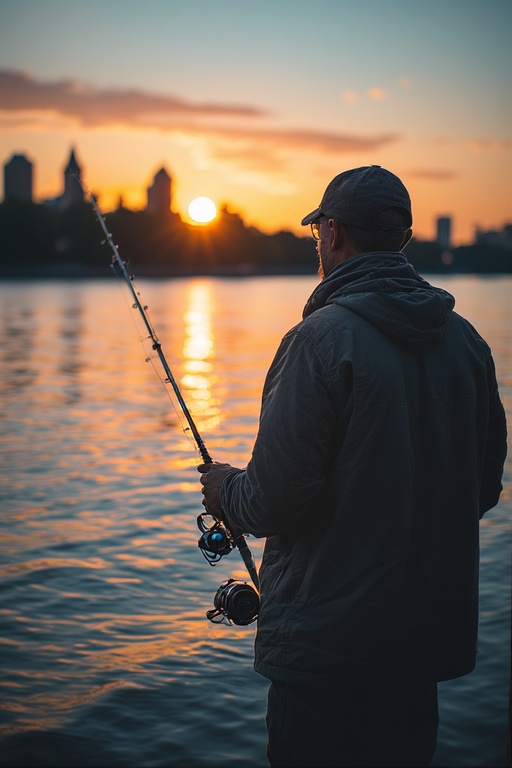
Beginner's Guide To Freshwater Fishing
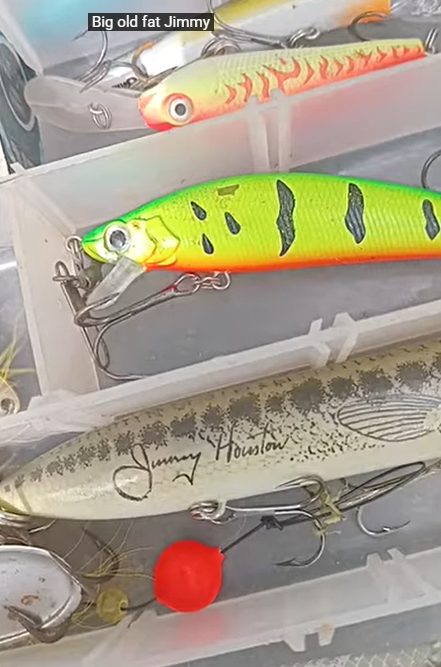
She uses the "Macho Minnow."
By John McCall • November 30, 2025 • 6 min read
Freshwater fishing is one of the most approachable and rewarding outdoor hobbies — and you don't need fancy gear to start. This guide walks you through the essentials: what to bring, where to go, how to cast, and how to land your first fish safely and responsibly.
1. Gear Essentials
Start simple. A basic freshwater setup will get you far:
- Rod & reel combo: A 6'6" to 7' medium-power spinning rod paired with a small spinning reel is versatile for most species.
- Line: 6–10 lb monofilament or 6–12 lb braided line (with a leader) works well for lakes and rivers.
- Tackle: A small tackle box with a selection of hooks (sizes 6–2), split shot, swivels, and a few sinkers.
- Comfort items: PFD if you're on a boat, sunscreen, hat, polarized sunglasses, water, and a small first-aid kit.
Rod, Reel & Line — Quick Tips
Spinning setups are beginner-friendly and let you cast light lures easily. Match your reel size to the rod (a 2500–3000 reel is a good match for a 7' medium rod). When choosing line, consider the water clarity and target species — lighter line is less visible and often produces more strikes.
2. Baits & Lures
- Live bait: Worms, crickets, and minnows are excellent for beginners — they’re easy to use and very effective.
- Soft plastics: Small grubs, tubes, and worms rigged on a jig head are versatile for bass, panfish, and walleye.
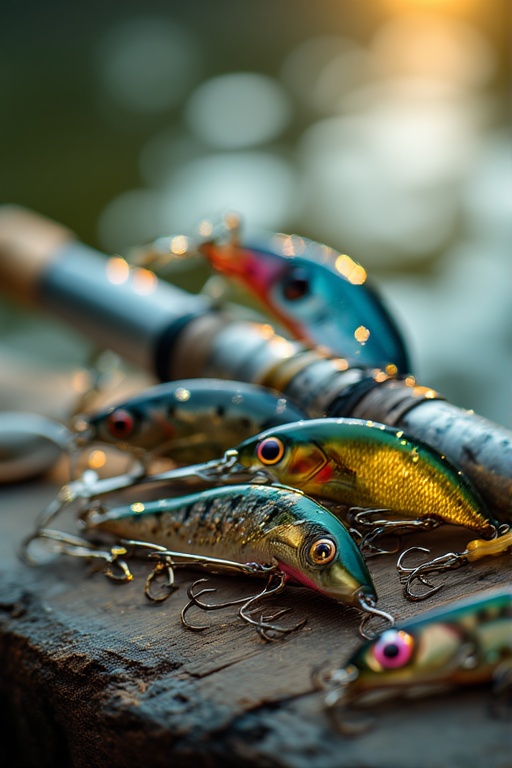
- Hard baits: Small crankbaits and jerkbaits are great for covering water and finding active fish.
- Topwater: Poppers and frogs are thrilling when fish are feeding on the surface — try these in the early morning or evening.
Where to Fish (Lakes vs Rivers)
Lakes: Fish structure — docks, weed edges, drop-offs, and points. Move slowly and probe different depths.
Rivers: Look for seams (where fast water meets slow), eddies behind rocks, and behind submerged structure where bait concentrates.
3. Basic Techniques
- Float fishing: A bobber keeps bait off the bottom and is perfect for panfish and trout.
- Bottom fishing: Use a small weight and bait near the bottom for catfish and walleye.
- Retrieve patterns: Vary the speed and style — steady, twitching, or stop-and-go retrieves all trigger strikes in different conditions.
- Setting the hook: When the bobber disappears or you feel a tug, give a firm but controlled upward sweep of the rod to set the hook.
4. Safety & Conservation
Respect the water and other anglers. Always check local regulations and carry any required licenses. Practice catch-and-release when appropriate, handle fish gently with wet hands, and remove hooks carefully. Pack out your trash and avoid disturbing shoreline vegetation.
5. Quick Troubleshooting
- No bites? Try a slower presentation, change depth, or switch bait size.
- Line twists? Use a swivel and spool your reel properly to avoid twist.
- Lost lures? Use heavier tackle if you’re getting snapped off around structure.
6. Final Tips for Beginners
Fish early or late when temperatures are cooler, observe the water before you cast, and spend time watching how fish react to different lures. Most importantly — be patient and enjoy the learning process.
Bonus: Handy Checklist
- Rod + reel combo
- Line + spare spool
- Assorted hooks, sinkers, swivels
- Small selection of baits/lures
- PFD (if boating), sun protection, water
Want more? Download our free beginner's checklist and get weekly tips sent straight to your inbox.
Get A Bonus Download: How Fish See Underwater
Fish focus their eyes much like the lens of a camera and how light enters the water affects how they see.
Download Your Bonus Here – Audio
Join our list — new fishing tactics and offers every week.