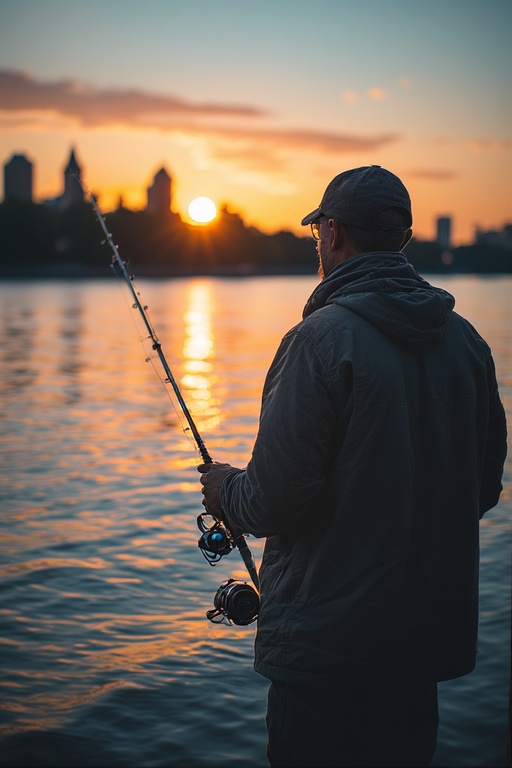
Choose The Right Bait
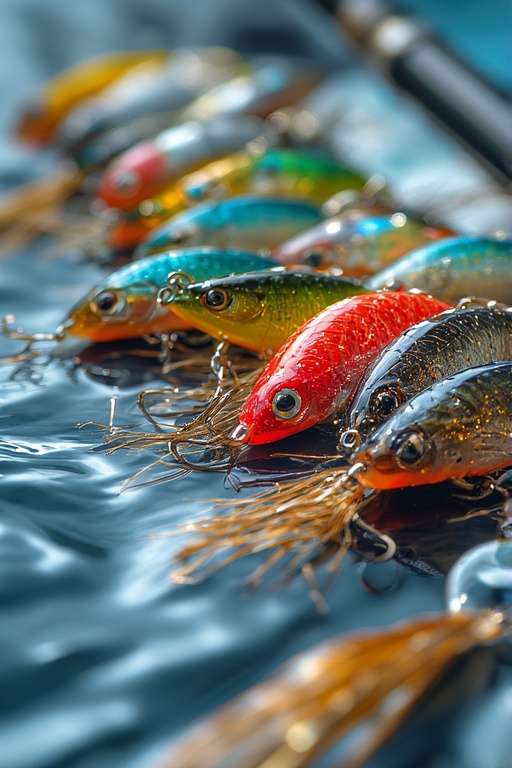
Got these shiny lures from Dollarama.
By John McCall • November 30, 2025 • 6 min read
Why Choosing the Right Bait Matters
Choosing the right bait can make the difference between a quiet day on the water and a day filled with non-stop action. Whether you're a beginner or an experienced angler, understanding what bait to use—and when—can dramatically improve your success rate. The right bait not only attracts fish but also matches their natural feeding habits, making your presentation look irresistible.
Know Your Target Fish
The first step is knowing which species you're trying to catch. Different fish have different diets and feeding behaviors. Bass tend to go after movement and vibration, while trout prefer subtle, natural-looking presentations. Catfish rely heavily on smell, which is why stink baits and cut bait are so effective. When you understand what your target fish likes to eat, choosing the right bait becomes simple.
Live Bait vs. Artificial Lures
Both live bait and artificial lures can be incredibly effective—it just depends on the situation. Live bait, such as worms, minnows, or leeches, mimics the natural food fish already hunt. This makes live bait especially useful for beginners or when fishing in colder water where fish are sluggish.
Artificial lures, on the other hand, offer more creativity and control. You can choose from spinners, crankbaits, soft plastics, topwater frogs, spoons, and more. Each lure is designed to imitate movement, sound, or color patterns that trigger a fish’s instinct to strike. Lures are great when you're covering large areas or fishing in clear water where fish rely heavily on sight.
Match the Bait to the Water Conditions
Water clarity, temperature, and depth all play a huge role in bait selection. In murky or stained water, choose brightly colored lures—chartreuse, orange, or white—to help fish spot your bait. In clear water, natural colors like greens, browns, and silvers work best.
Temperature also matters. In colder water, fish slow down and prefer smaller, more subtle presentations. In warmer water, they become more active and willing to chase faster-moving lures. Adjusting to these conditions can instantly improve your results.
Don’t Forget the Scent
Fish rely heavily on smell, especially species like catfish, carp, and trout. Adding scent attractants or using naturally smelly baits can help fish locate your hook faster. Garlic, anise, and shrimp scents are popular additions that can make even artificial lures more enticing.
Experiment Until You Find What Works
Even the most experienced anglers switch their bait multiple times during a single trip. Some days the fish want something fast and flashy; other days they only bite slow-moving or natural-looking options. Don’t be afraid to experiment. Start with a proven bait for your species, but switch things up if the fish aren’t biting.
The Right Bait Makes All the Difference
At the end of the day, choosing the right bait is about understanding your target fish, the environment, and the conditions you’re fishing in. When you match your bait to what fish naturally respond to, your chances of success go way up. With a little practice and experimentation, you’ll know exactly what to tie on the next time you hit the water.
Get A Bonus Download: How Fish See Underwater
Fish focus their eyes much like the lens of a camera and how light enters the water affects how they see.
Download Your Bonus Here – Audio
Join our list — new fishing tactics and offers every week.