How To Read The Water Like A Pro
You will notice bubbles rise to the surface where there are clams.
By John McCall • December 1, 2025 • 6 min read
Why Reading Water Matters
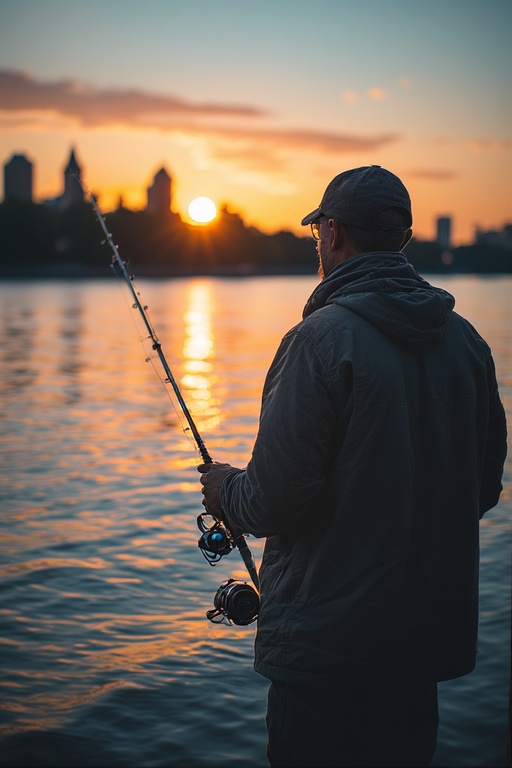
The ability to “read the water” is one of the biggest skills that separates average anglers from experienced pros. Fish don’t just swim randomly — they relate to structure, temperature changes, currents, shadows, depth pockets, and food sources. When you know how to identify these details, you can predict where fish are holding at any time of day.
1. Look for Structure First
Fish love structure because it provides shelter, ambush points, and natural food. Structure often dictates where fish feed, hide, or travel.
- Rocks and boulders: great for smallmouth bass and walleye.
- Downed trees and logs: perfect hiding spots for pike, crappie, and bass.
- Weed beds: shallow or deep, they attract baitfish and predators.
- Docks and piers: offer shade and vertical cover.
- Bridge pillars: create current breaks where fish rest and ambush prey.
2. Pay Attention to Water Depth
Depth plays a huge role in fish positioning. Different species prefer different levels based on temperature, food, and oxygen availability.
- Shallow flats (2–6 ft): active daytime feeders like bass and pike.
- Mid-depth zones (7–15 ft): walleye and larger suspended fish.
- Deep holes (15+ ft): great for catfish, lake trout, and holding fish in hot weather.
Depth changes are often the best places to fish. If you see sudden drops, humps, or channels, you’ve found a spot worth casting into.
3. Watch How the Current Moves
In rivers and streams, current is everything. Fish use current lines to feed efficiently without wasting energy.
- Current seams: where fast and slow water meet — perfect ambush zones.
- Eddies: pockets of swirling water behind rocks or bends where fish rest.
- Inside bends: slower, deeper water ideal for big fish.
- Outside bends: faster water but can hold active feeders.
Cast slightly upstream and let your lure drift naturally into these productive zones.
4. Look for Surface Clues
Even small changes on the surface can reveal what's happening underneath.
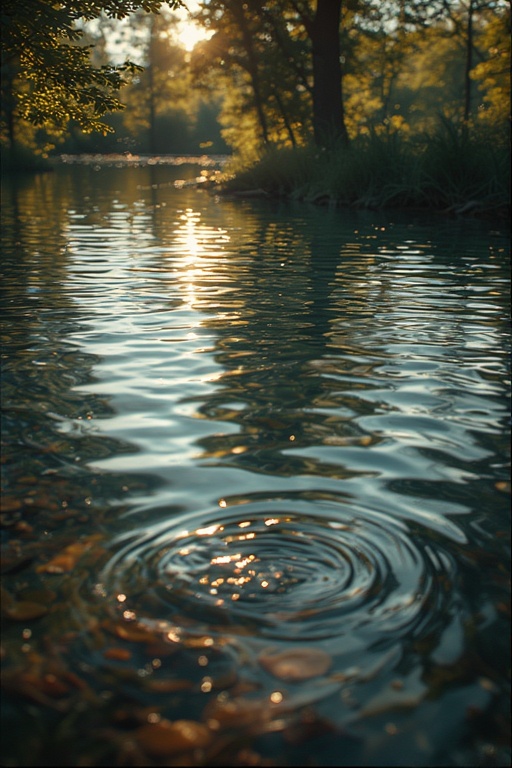
- Ripples: often indicate baitfish movement.
- Slick patches: calm spots that may indicate depth changes or slow water.
- Jumping fish: obvious signs of feeding action.
- Birds diving: a major indicator that baitfish are near the surface.
5. Find Shade and Shadow Lines
- Docks and boats create strong shade lines.
- Overhanging trees provide natural cover.
- Rock cliffs cast deep shadow pockets fish love.
6. Identify Temperature Changes
Temperature swings even within a few degrees can shift fish behaviour dramatically.
- Shallow sunny areas: good early morning or spring spots.
- Deep shade or windy banks: cooler areas holding active fish in summer.
- Inlets and springs: often cooler and rich in oxygen.
7. Understand Bottom Composition
- Muddy bottoms: great for catfish and carp.
- Sandy bottoms: ideal for walleye and perch.
- Rocky bottoms: attract smallmouth bass and crayfish-eating species.
- Mixed composition: transitions between sand, mud, and rock are always hot spots.
8. Look for Transition Zones
Fish love edges — places where one type of structure or depth meets another.
- Weed edge meeting open water.
- Rock transitioning to sand.
- Deep water tapering into a shallow flat.
- Fast current blending into slow current.
9. Learn to Read Wind Direction
- Wind-blown banks usually hold active feeders.
- Points facing the wind concentrate baitfish.
- Calm coves can hold fish avoiding strong wind.
10. Combine Clues for Maximum Accuracy
The real magic of reading water happens when you stack multiple clues together.
- A rocky point + wind blowing into it.
- A weed edge + shade line.
- A current seam + depth drop-off.
- A submerged log + baitfish on the surface.
Get A Bonus Download: How Fish See Underwater
Fish focus their eyes much like the lens of a camera and how light enters the water affects how they see.
Download Your Bonus Here – Audio
Join our list — new fishing tactics and offers every week.