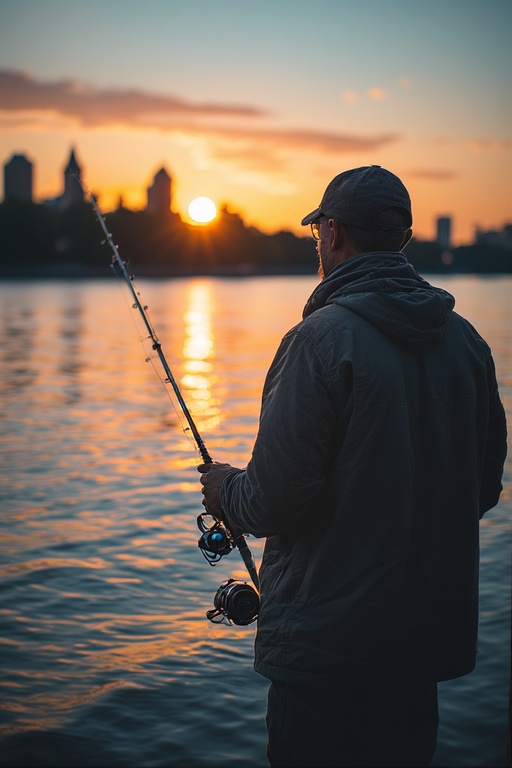
Time Of Day Matters
A video I made fishing on the Ottawa River by the Rideau Canal locks
By John McCall • November 30, 2025 • 6 min read
Introduction
One of the biggest secrets experienced anglers understand is that fish follow predictable patterns throughout the day. Light, temperature, and feeding cycles all influence when fish are most active. Choosing the right time of day to cast your line can dramatically increase your chances of landing a great catch. If you’ve ever gone fishing at the wrong hour and wondered why nothing was biting, the answer often comes down to timing.
Why Timing Matters
Fish behave differently depending on the amount of sunlight, water temperature, and food activity in their environment. They tend to feed when conditions are comfortable and visibility is ideal. Too much light makes fish cautious. Too little makes feeding harder. Temperature also plays a huge role: cooler or moderate temperatures generally make fish more active, while extreme heat or cold slow them down.
Early Morning: The Golden Window
In most environments, the early morning is the single best time to fish. This window usually starts just before sunrise and continues for the first 1–2 hours afterward.
- Cooler temperatures: Fish are more comfortable and active after the heat of the previous day disperses.
- Reduced light: Low light makes fish feel safer as they move into shallower areas to feed.
- Insect activity: Many insects are moving at dawn, attracting baitfish — and in turn, predator fish.
- Less wind and boat traffic: Calm water helps fish stay close to the surface and makes bites easier to detect.
Late Afternoon & Early Evening
The second prime window is late afternoon into early evening — roughly the last 2–3 hours before sunset and sometimes even 30–60 minutes after.
- Water cools down again: Fish move out of deeper water and begin feeding more aggressively.
- Shadows increase: Reduced light gives cover to both predator and prey fish.
- Insects return: Evening hatches can trigger major feeding frenzies.
- Baitfish movement: Smaller fish push toward the shallows, attracting larger fish.
Midday: Tricky but Still Fishable
Fishing in the middle of the day is not always ideal, especially during summer. Bright sunlight and warm temperatures make many fish retreat into deeper, cooler, shaded areas.
- Fish shaded areas like docks, bridges, overhanging trees, or rock ledges.
- Use deeper presentations such as jigs, drop-shot rigs, or weighted live bait.
- Target species that remain active in bright light — like carp, catfish, or pike.
- On windy days, look for stirred-up shorelines where baitfish get pushed around.
Night Fishing: Quiet, Cool, and Productive
- Fish move shallow again: Cooler water draws fish close to the shoreline.
- Insects and baitfish are active: Many species feed heavily after dark.
- Angling pressure drops: With fewer people fishing, fish are less wary.
Seasonal Time-of-Day Tips
- Spring: Midday can be productive because water is still warming up.
- Summer: Early morning and late evening become crucial.
- Fall: Fish feed heavily throughout the day, especially afternoons.
- Winter: Midday warmth is often the best time for action.
Final Thoughts
Understanding when to fish is just as important as knowing where to fish. Early mornings and late evenings consistently offer the most reliable bites, but every time of day has its own advantages. Pay attention to light, temperature, and fish behavior, and you’ll start seeing patterns that help you catch more fish on every trip.
Mastering time-of-day fishing gives you a major edge — and once you dial it in, the water starts to come alive in a whole new way.
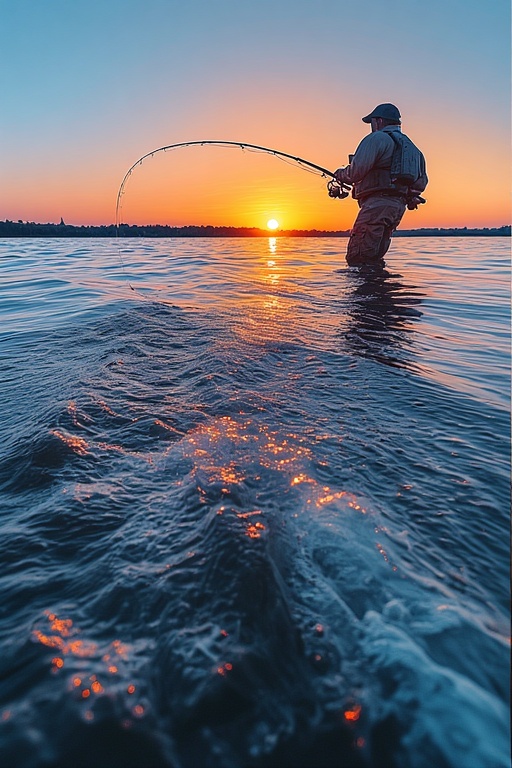
Get A Bonus Download: How Fish See Underwater
Fish focus their eyes much like the lens of a camera and how light enters the water affects how they see.
Download Your Bonus Here – Audio
Join our list — new fishing tactics and offers every week.