Watching The Water
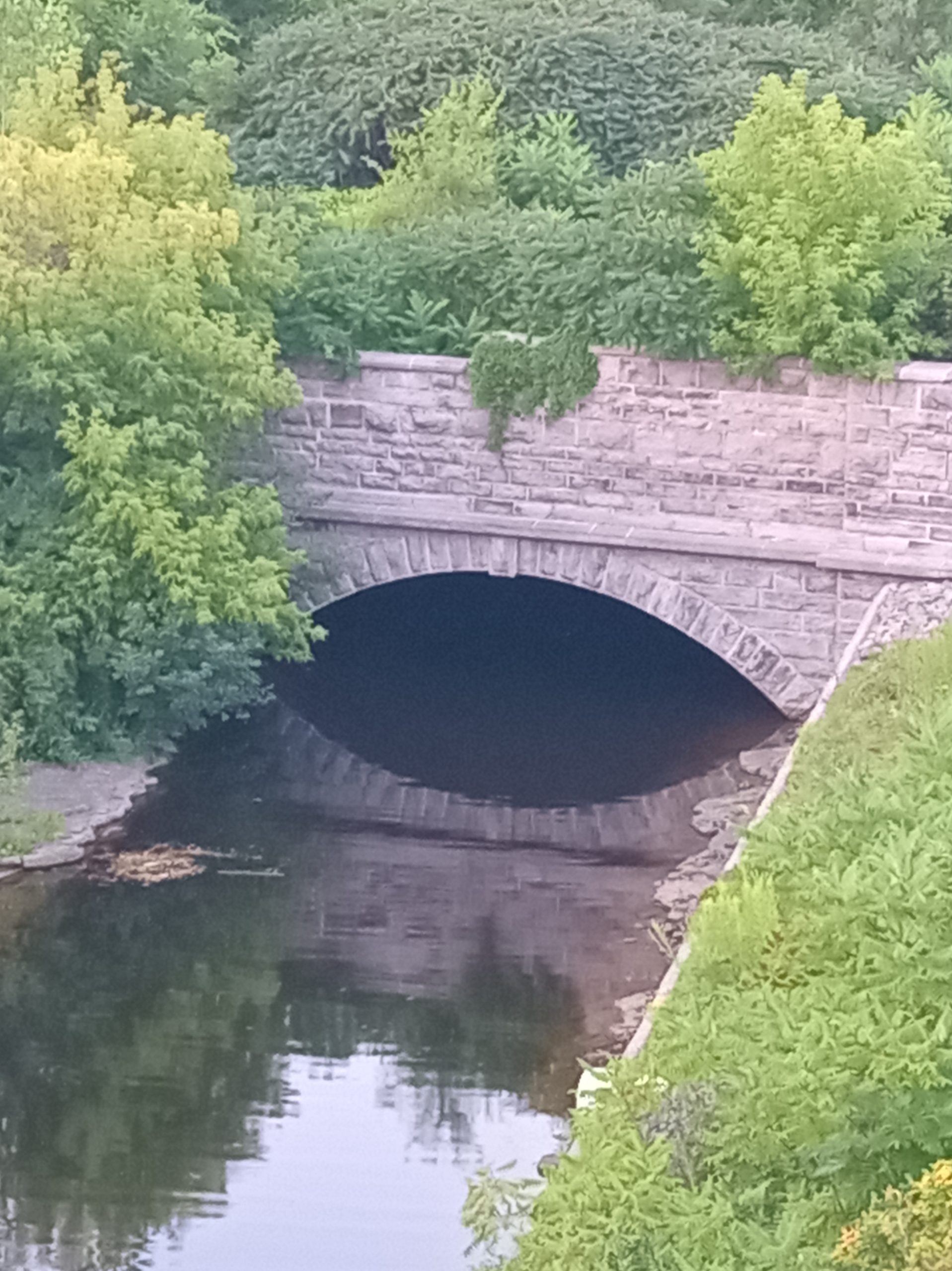
A waterway near the Ottawa River in the summer.
By John McCall • November 30, 2025 • 6 min read
Introduction
Watching the water is one of the most powerful skills an angler can develop. While gear, bait, and technique matter, the ability to read the surface and understand subtle signs of fish activity turns good trips into great ones. This guide breaks down the visual cues and behaviors to watch for, how to interpret them, and what to do when you spot each sign.
Start With the Surface
The surface is your first and often most informative canvas. Small disturbances — ripples, ring-shaped splashes, bubbling, or sudden calm patches — usually mean life below. When you arrive at a spot, spend a few minutes scanning the water quietly before you cast. Look for patterns rather than one-off disturbances; repeating or clustered activity often identifies a feeding zone.
Common Surface Signs and What They Mean
- Surface boils and splashes: Often caused by fish breaking the surface to feed on insects or baitfish.
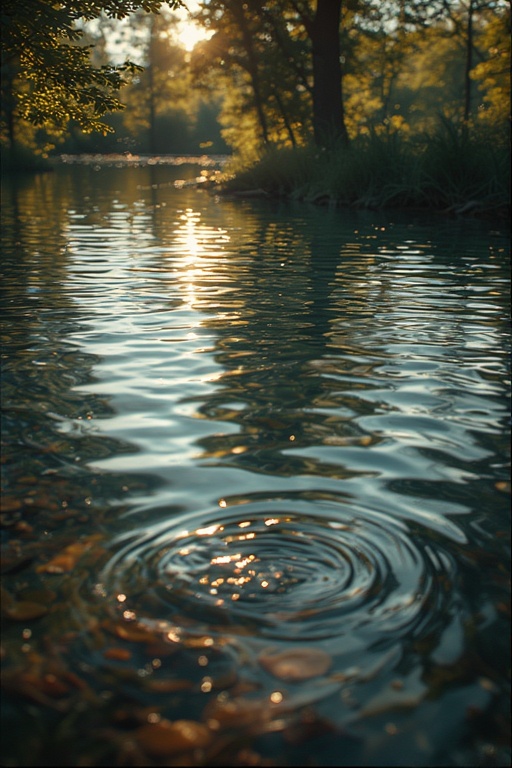
- Ripples and circular rings: Can signal fish moving below.
- Bubbles and foam lines: Rising bubbles often come from feeding fish or from oxygen-rich currents.
- Birds and insects: Birds diving or insects swarming are indirect but reliable signs.
- Current seams and eddies: The line between fast water and slow water concentrates food and attracts fish.
Reading Water Movement
Understanding how water moves around structure helps you predict where fish will sit.
- Seams: The boundary between two different flow speeds. Cast along seams.
- Behind structure: Rocks, logs, docks, and drop-offs create calm zones.
- Deep-water edges: Changes in depth, such as a shelf or drop-off, create holding areas.
Weather, Light & Tide: Factors That Change the Surface
Weather and light conditions dramatically alter visible signs. Bright sunlight can make fish less visible near the surface, while overcast skies often increase surface activity.
How to Approach Active Water
- Cast ahead: When you see surface boils or splashes, cast slightly ahead of the action.
- Match the size and speed: Use a lure that mimics the local forage size.
- Use stealth: Avoid heavy footsteps or loud launches.
Night and Low-Light Signs
Low light conditions hide many visual cues, but other signs become useful. Look for silhouettes, slight surface disturbances, and the behavior of birds and bait.
Practice Makes Perfect
Like any observational skill, reading water improves with time and deliberate practice.
Quick Checklist: What to Watch For
- Surface boils, splashes, or rings.
- Bubbles and foam lines.
- Bird activity.
- Seams and eddies.
- Changes in water clarity and color.
Final Thoughts
Watching the water is less about spotting one dramatic sign and more about building a picture of the scene. Pack patience, slow down, and let the water tell you where to cast.
Get A Bonus Download: How Fish See Underwater
Fish focus their eyes much like the lens of a camera and how light enters the water affects how they see.
Download Your Bonus Here – Audio
Join our list — new fishing tactics and offers every week.
Comments powered by your platform (or insert Disqus/FB/Tawk widget)